


Good nutrition plays a vital role in children’s physical growth, cognitive development, immune function, and emotional wellbeing. Increasingly, research also points to the importance of gut health in supporting everything from digestion to mood and immunity.
Helping children understand food and nutrition early on doesn’t just shape what they eat today. It can help to lay the foundation for a lifelong, healthy relationship with food.
For families who travel frequently or live abroad, this journey can come with extra challenges. New cuisines, unfamiliar ingredients, different eating patterns, and language barriers can all influence how children relate to food.
This article offers practical, compassionate tips from experts at Cromwell Hospital, Maya Aboukhater and Laura Giraldo Cardona, to help parents nurture nutritional knowledge, positive food relationships, and gut health in their children.
What is gut health?
‘Gut health’ has become something of a buzzword. But at its core, it refers to how well our digestive system works and how balanced our gut microbiome is - the mix of tiny, helpful bacteria in our gut that work together to support our health.
A simple way to explain this to your children is using the idea of a ‘gut garden.’ Just like a garden, the gut needs regular care, variety, and nourishment to thrive. Different foods act like water, soil and sunlight, feeding the good bacteria in the gut, so your body can grow and develop.
Go back to basics
Supporting gut health in your little ones doesn’t need to be complicated or time-consuming. Often, it’s about returning to the basics: focusing on a variety of fruit and vegetables, including wholegrains and legumes, and introducing fermented food where possible.
Travelling regularly or living abroad can make this feel more challenging. When supermarkets are unfamiliar or labels are in another language, it’s natural to reach for familiar brands. However, locally grown, seasonal produce often offers greater variety and freshness, both of which support gut health in children.
Maya Aboukhater, Senior Dietitian at Cromwell Hospital suggests exploring local markets as a fun family activity rather than a source of stress. She explains, “Food is often central to social connection, which can make unfamiliar foods feel more welcoming.”
Engaging with locals or attending community food events as a family can help make new cuisines feel more adventurous and socially meaningful.
For picky eaters, variety can feel especially challenging. Maya explains that “picky eating is a common developmental phase shaped by biology, sensory perception, and a child’s growing need for independence.”
She explains that when a child is picky over food, it is often in response to textures rather than flavours. Small changes in preparation and offering the same food in different forms without forcing or persuading can make a big difference.
Expert tip: If you’re a family who travel regularly, or perhaps live abroad, consider starting a ‘food passport’ to help create a sense of food adventure in your children. They can add a stamp every time they try a new local dish or ingredient.
Building healthy relationships with food
A positive relationship with food is just as important as nutritional content. Parents play a powerful role here, not through restriction or pressure, but through modelling, curiosity, and trust.
Helpful approaches include:
- Reading books and stories about food - stories about cooking, farming or digestion can help children understand food in a relaxed and playful way.
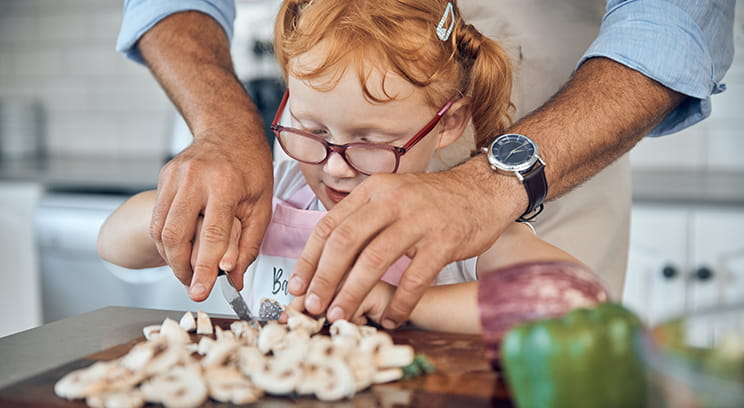
- Involving children in shopping and preparation - including your children in every part of the process from meal planning to shopping and food preparation can help them feel that their input is valued and respected.
- Being a positive role model - children learn by watching adults. Sitting down to eat together, trying new foods and speaking about meals as nourishment and fuel (rather than referring to certain foods as ‘good’ or ‘bad’) all help to build positive connections.
- Adding rather than eliminating - instead of focusing on what to cut out, look at what can be added, an extra vegetable, a new grain, a side of fruit.
- Encouraging curiosity and play - for toddlers especially, sensory exploration - touching, smelling, tasting just a small amount - is a core part of becoming comfortable with new foods and ingredients.
- Parent provides, child decides - parents choose what food is offered and when; children decide whether and how much to eat. This approach supports autonomy and trust.
Laura Giraldo Cardona, Dietetic Assistant at Cromwell Hospital, emphasises the importance of building agency. For example, trying to hide healthy ingredients like vegetables within meals might work in the short term, but in the long term, transparency and choice is more important.
She says “Children are more likely to develop genuine acceptance of vegetables when they can see, taste, and gradually become familiar with them through repeated, low‑pressure exposure”.
Maya adds that low-pressure exposure paired with autonomy can work well. For example, having a plate of chopped peppers, cucumbers and carrots on the table and inviting your kids to help themselves can give them a sense of independence.
Expert tip: Creating colourful plates helps ensure a natural mix of vitamins, minerals and antioxidants and can make meals more visually appealing for children.
Shared meals and mindful eating
Shared family meals offer benefits that go far beyond nutrition. Research links regular family meals with:
- Lower rates of obesity, eating disorders and depression
- Higher self-esteem and academic performance
- Better overall nutrition and food knowledge
Mindful eating also helps children tune into their bodies and enjoy food more fully. This can include:
- Reducing distractions from screens
- Engaging the senses (taste, smell, texture)
- Encouraging open conversation
- Slowing down your eating
- Learning to recognise hunger and fullness
For globally mobile families, busy schedules, time zones and travel can make regular sit-down meals difficult. The goal isn’t perfection, it’s intention. A shared breakfast, a picnic on the go, or even a mindful snack can still create connection.
Laura recommends planning ahead where possible: batch cooking, using frozen vegetables, making use of leftovers. These small steps can free up time to sit and eat together.
Expert tip: Teach children a simple ‘five senses check-in’ they can do anywhere - noticing what they can see, smell, taste, touch and hear while eating.
Parenting is demanding, especially when navigating new cultures, cuisines and routines. The good news is that supporting gut health in children and building their relationship with food doesn’t require rigid rules or perfect meals. By focusing on variety, curiosity, shared experiences and trust, parents can make a meaningful difference.
Small, positive changes – colourful plates, shared meals, local exploration and mindful moments - can help children build nutritional knowledge and confidence, while looking after their gut health.